Edit

What are Varicose Veins?

Understanding Vein Health and Professional Treatment Solutions

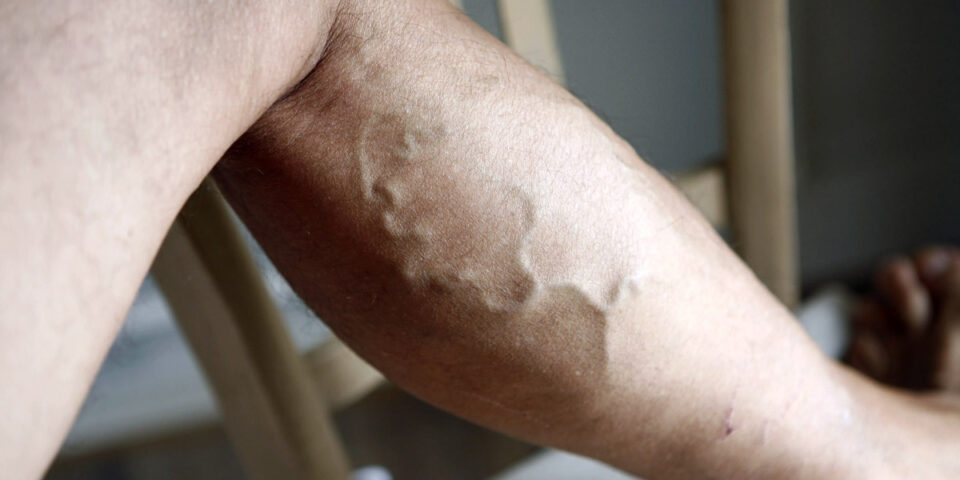
Varicose veins, those twisting, bulging veins often appearing on the legs, can be more than just a cosmetic concern. They’re a common medical condition where weakened valves within the veins cause blood to pool, leading to discomfort, swelling, and sometimes more serious complications.

But the good news is, you’re not alone, and effective treatments are available to alleviate symptoms and restore the health and appearance of your legs.

Key Takeaways

  • Varicose veins result from weakened valve function causing blood pooling, influenced by age, genetics, pregnancy, weight, and prolonged standing or sitting.
  • Symptoms range from leg heaviness and aching to serious complications, including skin changes, swelling, and open sores requiring medical attention.
  • Modern minimally invasive treatments including sclerotherapy and laser ablation effectively eliminate varicose veins with minimal downtime and excellent results.
  • Lifestyle factors like regular walking, proper hydration, and weight management support vein health and can help manage symptoms naturally.
  • Professional evaluation determines the most appropriate treatment approach based on vein size, location, and individual patient factors for optimal outcomes.

What are the main causes of Varicose Veins?

Varicose veins are caused by weakened or damaged valves in your veins. These valves help keep blood flowing in one direction, towards your heart. When they’re not working correctly, blood can pool in your veins, causing them to stretch and bulge.

There are a number of factors that can contribute to the development of varicose veins, including:

  • Age: As you get older, your veins become less elastic and more prone to weakening.
  • Genetics: If you have a family history of varicose veins, you’re more likely to develop them yourself.
  • Pregnancy: Pregnancy puts extra pressure on your veins, which can lead to varicose veins.
  • Being overweight or obese: Excess weight puts extra pressure on your veins, which can lead to varicose veins.
  • Standing or sitting for long periods of time: This can cause blood to pool in your legs, which can lead to varicose veins.
  • Wearing tight clothing or shoes: This can restrict blood flow in your legs, leading to varicose veins.

Varicose Vein Symptoms

Varicose veins can cause a variety of symptoms, including:

  • Leg tiredness and heaviness: This is a common symptom, especially after standing or sitting for long periods of time.
  • Aching and throbbing: This can be a constant pain or come and go.
  • Restlessness: This can make it difficult to sleep or sit still.
  • Tingling or itching: This can be caused by irritated nerves around the veins.
  • Numbness: This can be a sign of nerve damage.
  • Swelling: Swelling and inflammation can occur in the ankles and feet.
  • Skin changes: This can include discolouration, thickening, and dryness.
  • Open sores (ulcers): These can be painful and difficult to heal.

Varicose Vein Treatment Options

Varicose vein treatment options have evolved significantly in recent years, offering minimally invasive procedures that are safe, effective, and often require minimal downtime. The goal of treatment is to eliminate the underlying cause of varicose veins, alleviate symptoms like pain and swelling, and improve the appearance of your legs.

Here are some of the most common varicose vein treatment options available in the market at the moment:

  • Sclerotherapy: This minimally invasive procedure involves injecting a solution into the vein, causing it to collapse and seal shut. Sclerotherapy is effective for treating smaller varicose veins and spider veins.
  • Ultrasound-guided sclerotherapy: This technique combines sclerotherapy with ultrasound imaging to precisely target the affected veins. This allows for more accurate treatment and reduces the risk of complications.
  • Endovenous laser ablation: This laser procedure for veins uses laser energy to heat and close the vein. Endovenous laser ablation is a highly effective treatment for larger varicose veins.
  • Radiofrequency ablation: This technique uses radiofrequency energy to heat and close the vein. Radiofrequency ablation is an alternative to endovenous laser ablation.
  • Ambulatory phlebectomy: This procedure involves making small incisions in the skin and removing the varicose veins. Ambulatory phlebectomy is typically used to treat larger varicose veins that are not suitable for other treatments.
  • VenaSeal vein glue: This minimally invasive procedure involves injecting a medical adhesive into the vein to close it. VenaSeal is a newer treatment option that is showing promising results.

Frequently Asked Questions

Learn More

Here are some FAQ's about What are Varicose Veins?. If you have any other questions, please give us a call or request a Consultation today.

While staying hydrated is essential for overall health, there isn’t direct evidence suggesting that drinking water alone will cure or prevent varicose veins. However, proper hydration can play a role in vein health:

  • Improved Circulation: Staying hydrated helps maintain optimal blood volume, aiding circulation. This can reduce strain on veins and potentially lessen the severity of varicose veins.
  • Reduced Swelling: Dehydration can lead to water retention and swelling, which might worsen varicose vein symptoms. Adequate water intake can help alleviate this.
  • Overall Health: Good hydration contributes to cardiovascular health, indirectly supporting vein health.

While drinking water is beneficial, it’s not a substitute for proven medical treatments.

While some home remedies and lifestyle changes may help manage varicose vein symptoms, it is not recommended to try to fix them on your own. Varicose veins are a medical condition that can worsen if not treated properly.

Avoiding surgery is a common concern for people with varicose veins. Fortunately, many effective treatments are available that do not require surgery. These include sclerotherapy and endovenous laser ablation.

Yes, walking can be a fantastic natural way to support vein health and alleviate some of the discomfort caused by varicose veins. It’s a low-impact exercise that encourages blood circulation in your legs, helping to prevent blood from pooling in your veins.

Here’s how walking can help:

  • Muscle Pump: When you walk, the muscles in your calves contract and relax, acting like a pump to push blood back up towards your heart. This can reduce pressure in the veins and ease swelling.
  • Improved Circulation: Regular walking enhances overall blood flow, delivering essential nutrients and oxygen to your tissues while promoting the removal of waste products.
  • Weight Management: Maintaining a healthy weight is crucial for vein health, as excess weight can put added pressure on your veins. Walking is an accessible way to manage weight and improve overall health.

If you experience persistent pain, swelling, or leg heaviness that interferes with daily activities, you should have varicose veins evaluated professionally.

Skin changes, including discolouration, thickening, or open sores, indicate more serious vascular issues requiring immediate medical attention.

Large, bulging veins or those causing significant cosmetic concerns often benefit from professional treatment to improve health and appearance.

Modern varicose vein treatments are minimally invasive with minimal discomfort, often performed under local anaesthesia in outpatient settings.

Most patients experience mild soreness following procedures like sclerotherapy or laser ablation, with normal activities resumed within days.

Recovery typically involves wearing compression stockings and avoiding strenuous activities for a short period, with most people returning to work immediately.

Spider veins are small, thin blood vessels visible near the skin surface. They typically appear as red or blue web-like patterns.

Varicose veins are larger, bulging vessels that protrude above the skin surface and often cause symptoms like pain and swelling.

Both can be treated with similar procedures, though spider veins typically require less intensive treatment approaches than larger varicose veins.

Treated varicose veins are permanently eliminated and cannot return, as the vein is either sealed shut or removed during treatment.

However, new varicose veins may develop in other areas due to ongoing genetic predisposition or lifestyle factors.

Following post-treatment care instructions and maintaining healthy lifestyle habits helps prevent new varicose vein development and maintain treatment results.

Concerned about varicose veins affecting your comfort and confidence?

Our experienced team can assess your vein health and recommend the most appropriate minimally invasive treatment options for your individual needs. Book your consultation today to discover effective solutions for healthier, more comfortable legs.