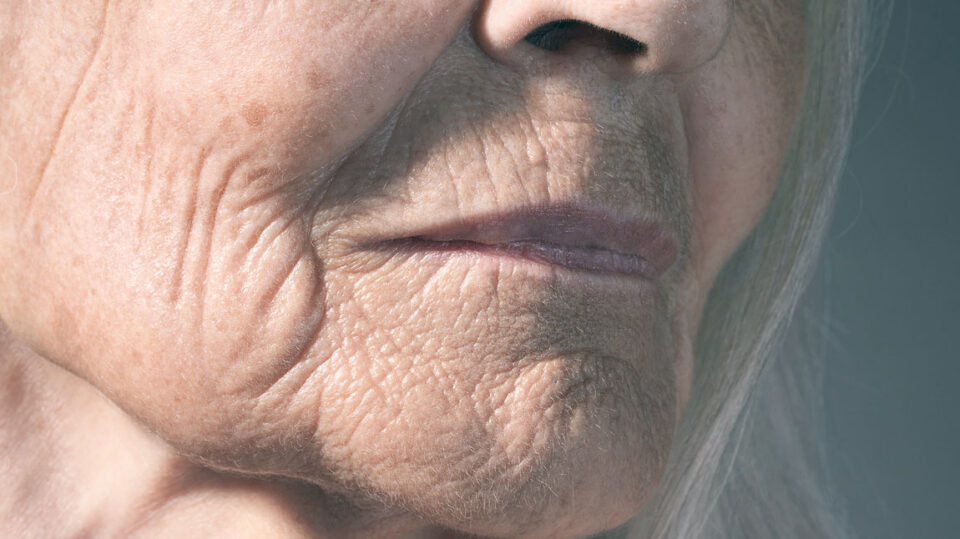
What Causes Crepey Skin?
Crepey skin primarily results from the natural depletion of collagen and elastin in our skin as we age. These proteins are crucial for maintaining skin’s structure, elasticity, and firmness. However, other factors beyond intrinsic aging can contribute to this process:
1. Sun Exposure
Ultraviolet (UV) radiation from the sun is a major culprit. UV rays break down collagen and elastin fibres, leading to premature ageing and crepey skin.
2. Smoking
Nicotine constricts blood vessels, reducing blood flow and oxygen supply to the skin. This process hinders collagen production and accelerates skin damage.
3. Genetics
Some individuals are genetically predisposed to thinner skin, making them more susceptible to crepey skin at an earlier age.
4. Rapid Weight Loss
When you lose weight quickly, previously stretched skin may struggle to regain its elasticity, resulting in a crepey appearance.
5. Dehydration
Water is essential for maintaining skin hydration and elasticity. Chronic dehydration can contribute to a crepey texture.
6. Hormonal Changes
Fluctuations in hormone levels, particularly estrogen decline during menopause, can lead to decreased collagen production and thinner skin.
7. Certain Medications
Long-term use of corticosteroids, for example, can thin the skin and increase the risk of developing crepey skin.
8. Environmental Factors
Exposure to pollution, harsh weather conditions, and even air conditioning can dehydrate the skin and contribute to premature ageing.
What Does Crepey Skin Look Like?
Crepey skin is easy to identify once you know what to look for. It presents as:
- Thin and Fine Wrinkles: The wrinkles resemble those found on crepe paper – fine, shallow, and often crisscrossed. They are less pronounced than deep wrinkles caused by facial expressions.
- Loose and Sagging Skin: The affected area may appear loose, slightly drooping, or less firm than surrounding skin.
- A Dry, Papery Texture: The skin feels thin, delicate, and almost fragile to the touch. It might also have a slightly rough or uneven texture.
- Loss of Elasticity: Pinch a small area of skin and release – if it takes longer than usual to bounce back, it could indicate a loss of elasticity associated with crepey skin.
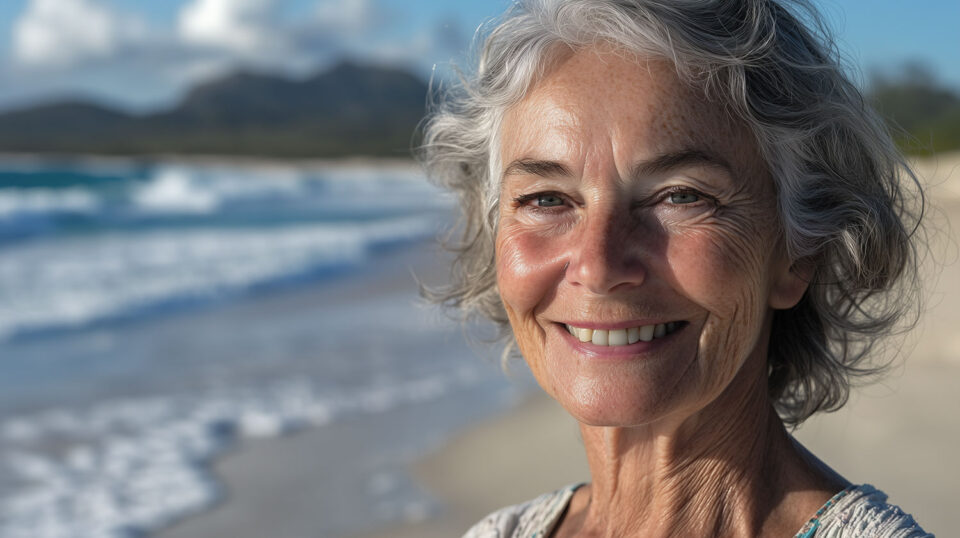
Treatment Options for Crepey Skin
While completely reversing crepey skin is challenging, numerous treatments can improve its appearance and restore a youthful texture. The best approach often involves a combination of these methods tailored to your individual needs and concerns.
Skin Boosting Treatments
Skin-boosting treatments offer a versatile approach to rejuvenating skin using prescription medicines. Unlike volumising treatments that focus on adding volume, skin boosters and bio-stimulators revive lax, lined, dull, or sunken skin. They improve the skin’s overall health, flexibility, tone, and texture.
Bio-Stimulating Treatments
These treatments use naturally derived substances to support collagen production and enhance skin elasticity over time. For example, the Skin Sculpting Treatments uses poly-L-lactic acid to gradually stimulate collagen production, resulting in a more youthful, volumised appearance over time. It is particularly effective for treating crepey skin on the face and body.
Genius RF Microneedling
This innovative treatment uses controlled thermal energy to create microscopic channels in the skin, stimulating collagen production and skin tightening. Genius RF can improve skin texture, tone, and fine lines.
Skin Needling
Also known as micro-needling, this procedure involves using tiny needles to create controlled micro-injuries in the skin. This stimulates collagen and elastin production, leading to firmer, smoother skin.
Laser Skin Tightening
Various laser treatments can address crepey skin by heating the deeper layers of skin, promoting collagen remodelling and tightening. These treatments offer varying levels of intensity and downtime.
Important Note: Before undergoing any treatment, consult with one of the Registered Nurses from The Cosmetic Studio Noosa to discuss your individual needs, expectations, and the most suitable options for your skin type and concerns.
How To Prevent Crepey Skin
Crepey skin is a common concern as we age, but several effective ways exist to prevent and minimise its appearance. Here are some key strategies to keep your skin smooth and supple:
Sun Protection
The most crucial step, especially here on the Sunshine Coast, in preventing crepey skin is protecting yourself from sun damage:
- Use a broad-spectrum sunscreen with SPF 30 or higher daily, even on cloudy days
- Seek shade, especially during peak sun hours
- Wear protective clothing like long sleeves and wide-brimmed hats when outdoors
Hydration and Moisturising
Keeping your skin well-hydrated is crucial:
- Use a moisturiser daily, especially after bathing when the skin is damp
- Look for products containing moisture-binding ingredients, ceramides or exfoliating agents such as alpha or beta hydroxy acids.
- Stay hydrated by drinking plenty of water throughout the day
Healthy Lifestyle Habits
Certain lifestyle factors can help maintain skin health:
- Eat a balanced diet rich in antioxidants, vitamins A, C, D, E, and omega-3 fatty acids
- Get regular exercise to improve circulation
- Manage stress and get adequate sleep
- Avoid smoking and excessive alcohol consumption
Skincare Routine
Incorporate these practices into your skincare regimen:
- Gently exfoliate 1-2 times per week to remove dead skin cells
- Use retinol or prescription retinoids to boost collagen production
- Apply topical antioxidants like vitamin C serums
Professional Treatments
For more intensive prevention or treatment, consider:
- Chemical peels to improve skin texture
- Laser treatments to stimulate collagen production
- Dermal fillers to restore lost volume in areas prone to crepey skin
Combining these strategies and starting early can significantly reduce your risk of developing crepey skin and maintain a youthful, healthy complexion as you age.
Remember to consult with the Registered Nurses at The Cosmetic Studio Noosa for personalised advice and treatment options.