What Is Sun Damage and How Does It Affect Your Skin?
Sun damage is your skin’s response to ultraviolet radiation. Every time UV rays penetrate your skin, they trigger a cascade of cellular changes (some protective, some harmful).
While your body has natural defence mechanisms like melanin production, Queensland’s intense UV exposure often overwhelms these protective responses. The result? Visible changes that accumulate over years and decades.
The Visible Signs of Sun Damage
Sunspots and age spots appear as flat, brown patches on areas that get the most sun exposure: your face, hands, chest, and shoulders. These aren’t actual “age” spots.
They’re pigmentation clusters that form when UV radiation causes melanocytes (pigment-producing cells) to group together and overproduce melanin. You might notice they darken after beach days or outdoor activities.
Broken capillaries and facial redness show up as thin red or purple lines, often across your cheeks, nose, or chin. UV exposure weakens the walls of tiny blood vessels near your skin’s surface, causing them to dilate and become visible. Once these vessels are damaged, they rarely disappear on their own.
Texture changes are harder to spot at first but become more obvious over time. Sun-damaged skin often feels rougher, looks duller, and develops an uneven surface. This happens because UV radiation breaks down collagen and elastin (the proteins that keep your skin smooth and firm).
UV Radiation and Your Skin: What’s Actually Happening
When UV radiation hits your skin, it doesn’t just affect the surface. UVA rays penetrate deep into the dermis (the middle layer of your skin), breaking down collagen fibres and damaging the DNA in your skin cells. This is why sun damage isn’t just cosmetic. It’s structural damage at a cellular level.
UVB rays work differently. They primarily affect the outer layer of your skin, causing immediate burns and triggering melanin production as a protective response.
On the Sunshine Coast, where the UV index regularly hits 11+ in summer (extreme), your skin faces both types of radiation simultaneously. The damage accumulates silently. You might not see sunspots or broken capillaries until years after the UV exposure that caused them.
Why the Sunshine Coast Presents Unique Challenges for Sun Damage
The Sunshine Coast isn’t just sunny. It’s one of the most UV-intense regions in Australia. We’re located at a latitude where the ozone layer is naturally thinner, resulting in less atmospheric protection from UV radiation.
Add in our subtropical climate, outdoor lifestyle, and proximity to water (which reflects UV rays back onto your skin), and you’ve got a perfect storm for accelerated sun damage.
Most Sunshine Coast residents spend significantly more time outdoors than people in southern states. Morning beach walks, weekend surfing, outdoor dining, and gardening aren’t occasional activities here. They’re part of daily life.
The coastal environment compounds the problem. Sand reflects up to 25% of UV radiation, water reflects up to 10%, and concrete and buildings bounce UV rays in all directions.
You’re getting exposed from multiple angles simultaneously, which is why sun damage on the Sunshine Coast often appears more severe than you’d expect based on deliberate sun exposure alone.
Even brief periods outside add up. Fifteen minutes in the morning sun, a lunchtime walk, and afternoon errands. By the end of the day, you’ve accumulated several hours of UV exposure without ever “sunbaking.”
How Laser Treatments Target Sun Damage
Laser treatments work by delivering concentrated light energy at specific wavelengths. Different wavelengths target different chromophores (colour-absorbing structures) in your skin.
For sun damage, we’re primarily targeting melanin (brown pigmentation) and haemoglobin (red blood in vessels). The laser energy heats and breaks down these targets without damaging surrounding tissue.
The Science Behind Laser Technology
Think of laser treatment like using a heat-seeking missile for skin concerns. The laser identifies its target based on colour, delivers precise energy to that specific structure, and leaves everything else untouched.
When treating sunspots or age spots, the laser targets melanin clusters. The concentrated heat shatters the pigment into tiny particles, which your body’s immune system then removes naturally over the following weeks.
For vascular concerns like facial veins and broken capillaries, the laser targets haemoglobin in the blood. The heat causes the vessel wall to collapse and seal shut.
Your body gradually absorbs the sealed vessel, and blood reroutes through healthier capillaries nearby. This is why the redness fades progressively rather than disappearing immediately.
The Candela-Nordlys system we use at The Cosmetic Studio Noosa allows us to adjust wavelength, pulse duration, and energy levels based on your specific concern. Treating superficial pigmentation requires different settings than addressing deeper vascular issues.
This precision is what makes modern laser treatments both effective and safe for a wide range of skin types.
What Happens During a Laser Treatment Session
Most Laser Treatment for Pigmentation sessions take 15 to 30 minutes, depending on the treatment area. We start by cleansing your skin and applying a cooling gel. You’ll wear protective eyewear throughout the treatment.
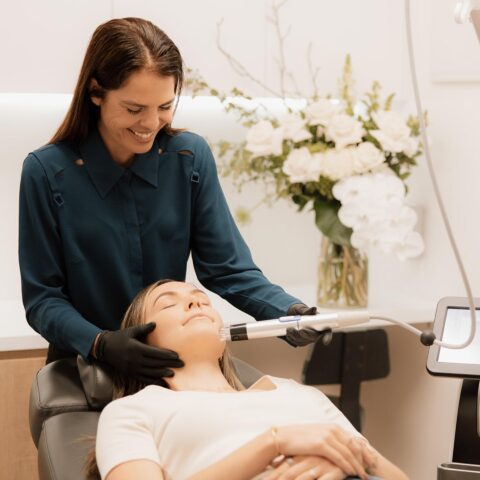
The laser handpiece moves across the treatment area, delivering quick pulses of light. Most people describe the sensation as a rubber-band snap, followed by warmth. It’s not comfortable, but it’s tolerable, and each pulse lasts only a fraction of a second.
During Laser Treatment for Veins, you might notice the treated vessels darkening immediately or turning slightly purple. This is normal and indicates the laser has effectively targeted the blood vessel.
For pigmentation, the treated spots often appear darker for a few days before they start to flake off. Your skin might be pink or slightly swollen for a few hours after treatment, similar to mild sunburn.
Types of Sun Damage We Treat with Laser Technology
Our laser treatments address the full spectrum of UV-related skin damage common on the Sunshine Coast. Each concern responds differently to treatment, which is why we assess your skin individually and create a treatment plan specific to your needs.
Sunspots and Age Spots
Sunspots (also called solar lentigines) are the most common reason people seek laser treatment. These flat, brown patches typically appear on your face, hands, chest, and shoulders. They range from light tan to dark brown and become more numerous with age. Despite the name “age spots,” these aren’t caused by getting older. They’re caused by cumulative UV exposure, which triggers localised melanin overproduction.
Laser treatment for sunspots works exceptionally well because the pigment provides a clear target for the laser energy. Most spots respond within one to three sessions. Darker, more established spots may require additional treatments. After laser treatment, the pigmented area typically darkens for three to five days before flaking off naturally.
Pigmentation and Uneven Skin Tone
Broader pigmentation concerns such as melasma, post-inflammatory hyperpigmentation, or overall uneven skin tone require a more nuanced approach than isolated sunspots.
These conditions often involve pigment at varying depths in your skin, so we may use different laser settings or recommend complementary treatments.
Diffuse pigmentation responds best to a series of gentler treatments rather than aggressive single sessions. This graduated approach reduces the risk of post-inflammatory hyperpigmentation (where treatment itself triggers more pigment production).
For complex pigmentation, we often recommend combining our Laser Treatment for Pigmentation with treatments such as the Cosmo Peel Forte or Dermapen Skin Needling for more comprehensive results.
Facial Veins and Broken Capillaries
Facial veins and broken capillaries appear as fine red or purple lines, most commonly across the cheeks, nose, and chin. Sun exposure weakens vessel walls over time, making them more visible and prone to dilation.
Unlike pigmentation, these vessels don’t fade with topical treatments or peels. Laser treatment is the most effective option.
The Candela-Nordlys system excels at treating vascular concerns. The laser targets haemoglobin in the blood vessel, causing the vessel wall to seal. Treated vessels typically fade within two to six weeks as your body absorbs them.
Finer vessels often respond after a single treatment, while larger or deeper vessels may need two to three sessions. Our Laser Treatment for Veins can also address leg spider veins if sun damage extends to your lower legs.
Skin Texture Changes
Sun damage doesn’t just affect colour. It degrades collagen and elastin, leading to rougher skin texture, enlarged pores, and a generally dull appearance.
While laser treatments primarily target pigment and vessels, the controlled heating also stimulates your skin’s wound-healing response, which triggers new collagen production over time.
For significant texture concerns, laser treatment is most effective when combined with other treatments. Genius RF microneedling or Dermapen Skin Needling may deliver more dramatic texture improvement than laser alone.
However, if you’re treating pigmentation and veins with laser, you’ll often notice modest texture improvement as a beneficial side effect.
The Candela-Nordlys System: Our Approach to Laser Treatment
The Candela-Nordlys is a medical-grade IPL and laser platform designed specifically for treating pigmentation and vascular concerns. What sets it apart is its precision cooling system, which protects your skin’s surface while the laser energy targets deeper pigment and vessels.
We use the Nordlys for all our Laser Treatment for Pigmentation and Laser Treatment for Veins services, with settings customised to your skin type and sun damage severity.
What to Expect: Your Laser Treatment Journey
Laser treatment for sun damage is a process, not a single event. Understanding what happens at each stage helps you plan appropriately and set realistic expectations for results.
Initial Consultation and Skin Assessment
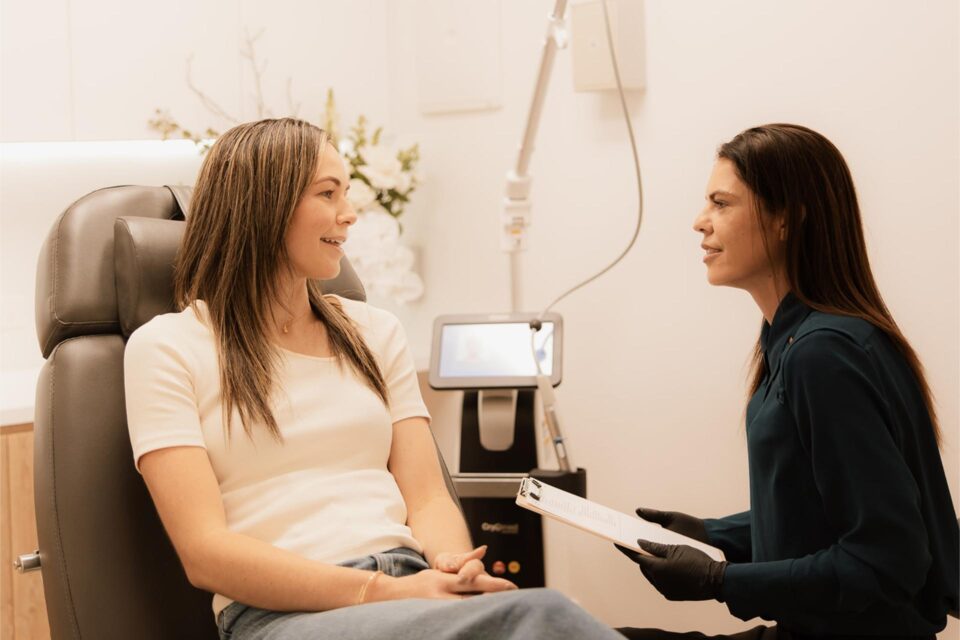
Your first appointment focuses on assessment. One of our registered nurses will examine your skin under proper lighting, discuss your main concerns, and review your medical history.
We need to know about any medications you’re taking (some increase photosensitivity), recent sun exposure, and previous skin treatments. This information determines whether laser treatment is appropriate at this time or whether we should wait.
We’ll also discuss your goals. Are you targeting specific sunspots, or are you more concerned about overall tone and texture? Do you want to address facial veins at the same time as pigmentation?
Some clients prefer to tackle one concern at a time, while others want a comprehensive approach. There’s no wrong answer, but your priorities shape the treatment plan.
Treatment Day: The Process Step-by-Step
On treatment day, arrive with clean skin (no makeup, moisturiser, or sunscreen). We’ll clean the area again and take before photos to track progress. You’ll wear protective eyewear, and we’ll apply a cooling gel to the treatment area. The laser handpiece moves across your skin in a systematic pattern, delivering pulses of light to each section.
Most face and neck treatments take 15 to 30 minutes. Hands and chest may take slightly longer, depending on the treatment area.
The sensation varies. Some people describe it as a rubber-band snap; others as a warm pinprick. It’s not pain-free, but it’s tolerable, and each pulse lasts less than a second.
Recovery and Aftercare
Immediately after treatment, your skin will be pink and might feel warm, similar to a mild sunburn. This typically settles within a few hours. Treated pigmentation often darkens over the next few days before it flakes off naturally. Don’t pick at it. Let it shed on its own.
You can return to normal activities immediately, but sun protection is critical. Your skin is more vulnerable to UV damage in the weeks following laser treatment.
We recommend avoiding direct sun exposure, wearing a broad-spectrum SPF 50+ daily, and using a wide-brimmed hat when outdoors.
Skip intense exercise, hot showers, and saunas for 24 to 48 hours to avoid excessive heat and sweating on the treated area.
Results Timeline: When You’ll See Improvement
For sunspots and age spots, you’ll typically see the treated pigment darken within 24 to 48 hours, then flake off over the following seven to ten days. The full lightening effect becomes apparent two to four weeks after treatment as your skin completes its natural shedding cycle.
Vascular results follow a different timeline. Treated facial veins and broken capillaries may darken or bruise slightly before fading. You’ll notice gradual improvement over two to six weeks as your body absorbs the sealed vessels.
Some fine vessels disappear after one treatment, while larger or deeper vessels may require two to three sessions spaced four to six weeks apart.
Combining Laser Treatments with Other Approaches
Laser treatment works well on its own for targeted sun damage, but many clients see better results when they combine it with complementary treatments. The key is to properly time and sequence treatments to avoid overstimulating your skin.
Medical Grade Peels for Enhanced Results
Medical-grade peels and laser treatments address sun damage through different mechanisms. While laser targets pigment and vessels with light energy, chemical peels use acids to dissolve the bonds between dead skin cells and accelerate cell turnover. When sequenced correctly, they work synergistically.
We often recommend starting with laser treatment to address specific sunspots and facial veins, then following up with treatments like Cosmo Peel Forte or VI Peel to improve overall tone and texture.
The peel helps clear residual pigmentation that’s too diffuse for laser targeting and smooths out rough patches. However, these treatments shouldn’t happen simultaneously.
We typically space them four to six weeks apart to allow your skin adequate recovery time between sessions.
Skin Needling and Laser: A Powerful Combination
Dermapen Skin Needling and Genius RF microneedling both stimulate collagen production through controlled micro-injuries to your skin.
This makes them excellent complements to laser treatment, particularly if you’re dealing with both pigmentation and texture concerns, such as enlarged pores or rough, uneven skin texture.
The typical approach is to complete your laser series first (usually two to three sessions), allow four weeks for healing, then start needling treatments to address texture and firmness.
Some clients alternate between laser and needling sessions over several months, targeting different concerns in each appointment. Your treating nurse will create a timeline based on your specific combination of sun damage issues.
At-Home Skincare Between Treatments
Professional treatments deliver dramatic improvements, but your daily skincare routine helps maintain and enhance those results. Between laser sessions, focus on three priorities: sun protection, hydration, and gentle exfoliation.
SPF is non-negotiable. Use a broad-spectrum SPF 50+ every single day, reapplying every two hours when outdoors. Look for mineral-based formulas with zinc oxide or titanium dioxide, as these provide physical UV blocking without the potential irritation of chemical filters.
A quality vitamin C serum in the morning can provide additional antioxidant protection against UV-induced free radical damage.
Avoid active ingredients like retinol, AHAs, and BHAs for at least one week before and after laser treatment. These can increase photosensitivity and irritation. Once your skin has fully healed, reintroduce these gradually to support cell turnover and prevent new pigmentation.
Who Is a Good Candidate for Laser Treatment?
Laser treatment is effective for most people with sun damage, but certain factors can affect both safety and results. Understanding whether you’re a good candidate now or whether you should wait helps avoid complications and disappointing outcomes.
Ideal Skin Types and Concerns
The Candela-Nordlys system safely treats a wide range of skin types, but lighter skin tones (Fitzpatrick types I to IV) typically respond most predictably to laser treatment for pigmentation.
Darker skin contains more melanin throughout, which can absorb more laser energy than pigmented spots.
This doesn’t mean laser treatment is off the table for darker skin, but it requires more conservative settings and careful monitoring.
You’re an ideal candidate if you have distinct sunspots, age spots, visible facial veins, or broken capillaries that you want removed. Laser works exceptionally well for defined targets.
The best results happen when your skin is at its baseline: no active sunburn, no recent fake tan, and no significant sun exposure in the two weeks before treatment.
When to Wait or Consider Alternatives
Pregnancy and breastfeeding are automatic postponements for laser treatment. Active skin infections, cold sores, or inflammatory conditions such as eczema or rosacea that flare in the treatment area also require postponement until your skin has settled.
Certain medications increase photosensitivity and complicate laser treatment, including some antibiotics (particularly tetracyclines), isotretinoin, and specific blood pressure medications.
If your sun damage is diffuse with no clear targets, or if texture and firmness are your primary concerns rather than pigmentation or veins, treatments such as Genius RF, Dermapen Skin Needling, or medical-grade peels may deliver better results than laser alone.
We’ll discuss this during your assessment and recommend the most appropriate approach for your specific skin concerns.
Protecting Your Results: Sun Safety on the Sunshine Coast
Laser treatment removes existing sun damage, but it doesn’t prevent new damage from forming. Living on the Sunshine Coast means your skin is exposed to UV radiation daily, so maintaining results requires a daily commitment to sun safety.
Daily SPF: Non-Negotiable
Broad-spectrum SPF 50+ every morning, reapplied every two hours outdoors, is essential for protecting your laser treatment results. Mineral-based formulas with zinc oxide or titanium dioxide are most effective on freshly treated skin.
Don’t forget commonly missed areas like your hands, neck, chest, and ears – these show sun damage quickly and need equal protection.
Seasonal Considerations for Laser Treatments
Autumn and winter (March through August) are popular times for laser treatment on the Sunshine Coast because UV levels are lower and beach activities typically decrease.
However, laser treatments are available year-round if you commit to strict sun protection for two weeks before and four weeks after each session.
Long-Term Maintenance
Even with perfect sun protection, some degree of new pigmentation may develop over time. Most clients return for maintenance laser sessions once or twice a year to address new sunspots or facial veins as they appear.
Think of it like servicing your car: regular small interventions prevent major problems from developing.
Combining annual laser maintenance with quarterly medical-grade peels or skin-boosting treatments helps keep your skin looking fresh and reduces the need for more aggressive treatments later.