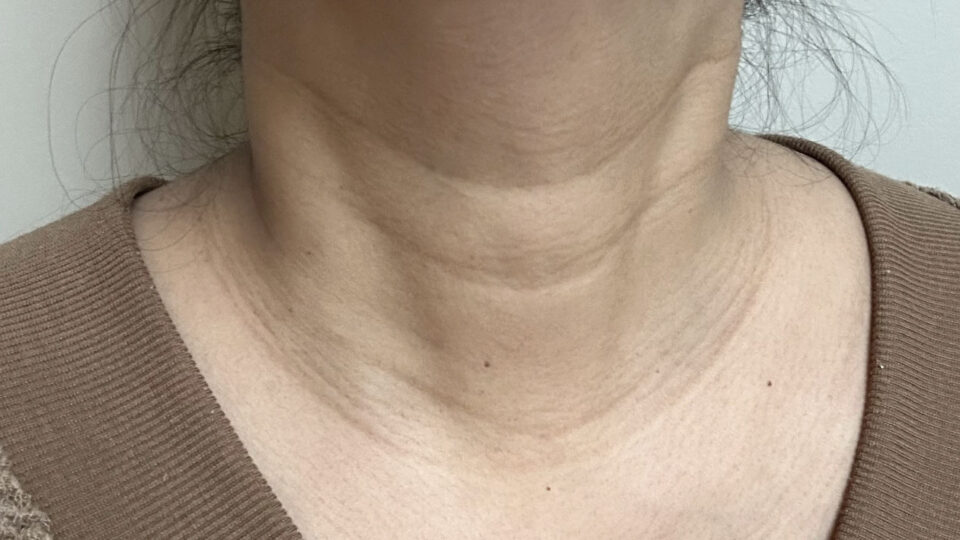
Neck bands, those distinct horizontal lines that traverse the neck, serve as subtle heralds of the passage of time. With each year’s passage, these bands can become increasingly prominent, a testament to the complex interplay between our skin’s elasticity and the relentless march of age.
Beneath the surface, the intricate anatomy of the neck reveals a tapestry woven of skin, muscles, and dermal layers, each contributing to and affected by the aging process. Factors such as genetics, sun exposure, and lifestyle choices influence the neck’s appearance, shedding light on the diverse reasons behind the emergence and prominence of neck bands.
What Are Neck Bands?
Neck bands, also known as platysmal bands, are vertical cords or lines that run from the chin to the collarbone along the front of the neck. These bands become more noticeable as we age and can contribute to an older or more tense neck appearance. There are two main types of neck bands:
- Static Bands: These are visible even when the neck is at rest and result from structural changes between the skin and muscle over time.
- Dynamic Bands: These become prominent when the platysma muscle contracts, such as during facial expressions like smiling or grimacing.
Neck bands can give the appearance of sagging skin, contributing to the presence of a double chin, neck creases, and what is often referred to as “turkey neck”. They can be more evident in older women with low body weight or in athletes who lift weights regularly. In more prominent cases, vertical neck bands can resemble vertical ropes connecting the jaw to the chest.
While neck bands don’t pose any health risks, they are a cosmetic concern for many people, as they can create the appearance of saggy skin and make the neck appear wrinkled, aged, and worn. Thankfully, various treatment options exist that can improve their appearance.
What Causes Neck Bands?
Platysmal bands are primarily caused by a combination of factors related to aging and muscle activity:
- Aging Process: As we age, the skin loses elasticity and firmness, making the underlying platysma muscle more visible. The natural aging process decreases collagen and elastin production, resulting in thinner, less resilient skin.
- Muscle Activity: Contrary to previous beliefs, recent studies suggest that muscle activity is a significant cause of neck bands. Frequent contractions of the platysma muscle, such as during facial expressions, can cause it to enlarge and separate over time, making the bands more prominent.
- Genetics: Some individuals may be predisposed to developing neck bands earlier or more prominently due to inherited traits, such as naturally thin skin or prominent platysma muscles.
- Environmental Factors: Prolonged sun exposure without proper UV protection can accelerate skin aging and contribute to the formation of neck bands.
- Weight Fluctuations: Significant weight loss can lead to excess skin and reduced fat in the neck area, revealing the platysma muscle bands.
- Lifestyle Factors: Stress, anxiety, and depression have been linked to premature neck lines. Additionally, everyday actions like eating, talking, and facial expressions can contribute to the formation of platysmal bands over time.
- Gravity: The unavoidable constant force of gravity exerts a mechanical pull on the already unsupported and lax skin, contributing to the aging neck appearance.
Treatment Options for Neck Bands
Several treatment options are available for neck bands. The choice depends on the severity of the neck bands and individual preferences. Be sure to consult with one of the Registered Nurses at The Cosmetic Studio Noosa to understand the best treatment option for your circumstances.
Muscle Relaxing Treatments
Platysmal bands, often called neck bands, are a sheet-like muscle extending from the jawline to the nape of the neck. When the platysma becomes lax, it can hang forward or sag. Some individuals may have laxity in only a portion of the platysma, whereas others may experience more widespread weakening.
To correct this laxity, our qualified Registered Nurses use a muscle-relaxing treatmentmuscle-relaxing treatment injected into the platysma.
This treatment causes the muscle to relax and retract, improving the appearance of a smoother, more contoured neckline. The cost will depend on the severity of the laxity and the area requiring treatment. This will be thoroughly discussed in your consultation with your experienced nurse clinician.
Wrinkle Reducing Treatments
Wrinkle-reducing treatments, or HA fillers like Bio-Stimulator, can be used to restore volume and smooth out wrinkles caused by sagging skin in the neck area. They can enhance overall skin quality and improve texture.
They smooth wrinkles, support, and rejuvenate the skin, helping improve the overall neck appearance.
These treatments integrate into the tissue and offer long-lasting results, up to 18 months in some cases.
Genius RF Microneedling
Genius RF Microneedling can be an effective treatment for neck bands because it tightens skin and stimulates collagen production. The radiofrequency energy delivered by Genius RF Microneedling helps tighten loose skin in the neck area, which can reduce the appearance of neck bands.
The treatment triggers the body’s natural healing response, promoting the production of new collagen and elastin. This helps improve skin firmness and elasticity in the neck region.
Genius RF Microneedling uses insulated gold-plated microneedles to deliver RF energy precisely to the deeper layers of the skin, where it can effectively target the underlying causes of neck bands. The device allows for adjustable needle depths and energy levels, enabling practitioners to tailor the treatment specifically to the neck area and the severity of the bands.
Compared to more invasive procedures, Genius RF Microneedling offers significant results with less downtime, making it a suitable option for treating neck bands.
Skin Peels
Chemical peels remove the outer layers of damaged skin, promoting the growth of new, smoother skin. This can help reduce the visibility of fine lines and wrinkles associated with neck bands.
Medium-depth and deep chemical peels stimulate collagen production in the dermis. Increased collagen improves skin elasticity and firmness, which can minimise the appearance of neck bands over time.
Peels like a Jessner peel target fine lines and wrinkles by increasing cell turnover and encouraging skin renewal, which can soften the appearance of neck bands.
Remember that genetics and the natural aging process also play a role, so consistent care and protection are key to achieving the best results.